
The Emotional Impact of Clean, Predictable, and Well-Maintained Spaces
The moment someone steps into a space, something shifts internally. Before they notice the furniture, read the instructions, or engage with anyone, their body reacts. Their breathing either softens or tightens. Their shoulders relax or remain tense. This response is instinctive, not intellectual. Human beings are wired to read environments for safety, order, and care, and the condition of a space communicates all of this instantly.
Clean, predictable, and well-maintained spaces are often discussed as operational necessities, yet their true power lies in their emotional impact. These environments do more than function properly. They create calm. They build trust without words. They allow people to feel secure enough to settle in, focus, rest, or simply exhale. In hospitality, property management, and any space designed for human use, emotional experience is not secondary. It is central.
Why Our Emotions Respond to Spaces Before Our Minds Do
People like to believe their decisions are rational, but the truth is that emotion leads and logic follows. The brain constantly scans surroundings for cues that answer unspoken questions: Is this place safe? Is it cared for? Can I relax here? These assessments happen within seconds, long before conscious thought takes over.
When a space feels chaotic, neglected, or unpredictable, the nervous system remains alert. Stress increases, even if the person cannot identify why. When a space feels orderly, clean, and intentional, the nervous system relaxes. This emotional response shapes how long people stay, how comfortable they feel, and how they remember the experience later.

Cleanliness as a Silent Language of Care
Cleanliness is the first message a space delivers. It does not need explanation, signage, or marketing. It speaks immediately and clearly. A clean environment tells people they matter, that someone prepared the space with intention, and that standards exist behind the scenes.
Emotionally, cleanliness builds trust. When a space is clean, people assume other things are handled well too. They believe systems are in place, details are monitored, and their presence has been considered. This sense of trust allows them to relax and engage with the space rather than inspect it for problems.
When cleanliness is missing, even in subtle ways, emotional discomfort follows. A lingering odor, dusty surfaces, stained fabrics, or poorly cleaned bathrooms trigger unease. People begin to question the reliability of the space and the people managing it. Once this doubt sets in, it is difficult to undo. Cleanliness, therefore, is not about appearance alone. It is about emotional reassurance.
The Comfort of Predictability in Unfamiliar Environments
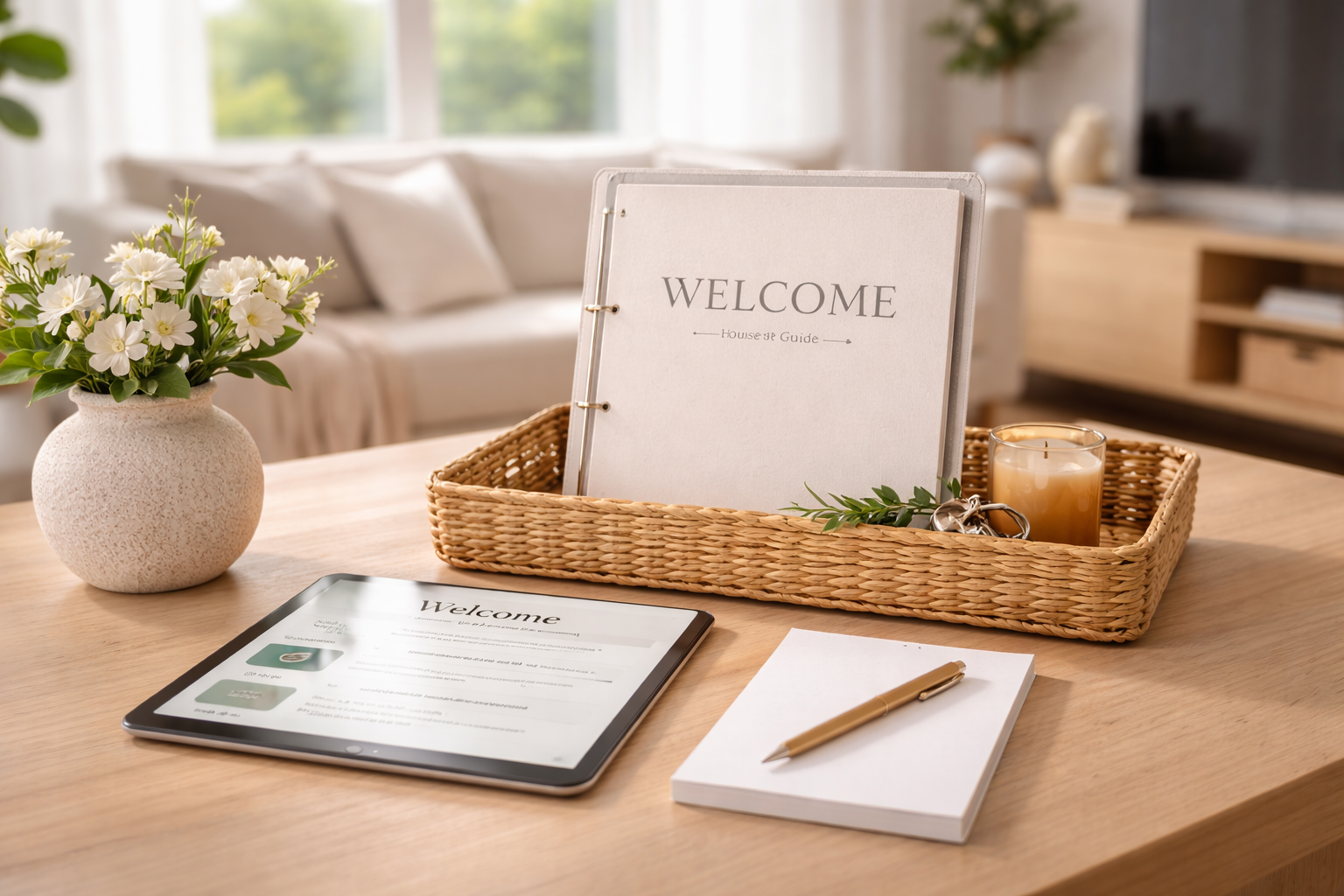
While cleanliness builds trust, predictability creates safety. Predictability means that what was promised is what is delivered. It means systems work as expected, instructions are clear, and nothing feels confusing or chaotic. For people entering unfamiliar spaces, predictability removes mental strain.
When guests or occupants do not need to guess how things work, they relax. They do not waste energy solving problems or seeking clarification. Instead, they experience the space as effortless. This reduction in cognitive load is deeply comforting, especially for people who are already tired, stressed, or overstimulated.
Predictability does not draw attention to itself. Most people will never compliment it directly. Yet when it is absent, frustration rises quickly. Emotional comfort depends on consistency, and consistency depends on predictable systems.
Maintenance and the Psychology of Trust
Maintenance is often invisible when done well, but emotionally powerful when neglected. A well-maintained space quietly communicates stability. It tells people that issues are noticed, addressed, and resolved before they become problems. This creates confidence in the environment and the people responsible for it.
Small maintenance issues have an outsized emotional impact. A flickering light, a loose handle, or a malfunctioning appliance introduces doubt. Guests may not complain, but they feel less secure. They begin to wonder what else might go wrong and whether support will be available if it does.
Proactive maintenance prevents emotional friction. It reassures people that they are not an inconvenience and that the space is being cared for consistently. Over time, this attention builds trust that goes beyond the physical environment.

When Emotional Comfort Becomes a Business Advantage
At this point, it becomes clear that clean, predictable, and well-maintained spaces do more than meet expectations. They shape perception. People do not remember every detail of a space, but they remember how it made them feel. Calm, ease, and reassurance linger long after checkout or departure.
This emotional experience directly influences reviews, loyalty, and referrals. Guests who feel comfortable emotionally are more forgiving, more appreciative, and more likely to return. They describe the experience in emotional terms, using phrases like “peaceful,” “easy,” or “felt like home.” These descriptions are powerful because they resonate with future guests.
If you want people to feel calm and confident the moment they enter your space, emotional experience must be intentional. Cleanliness, predictability, and maintenance are not optional details. They are the foundation.
Why People Pay More for Spaces That Feel Effortless
People are often willing to pay more for emotional comfort than for luxury. A space that feels reliable, safe, and easy reduces stress, and stress reduction has real value. When a space removes friction instead of adding to it, it stands out naturally.
This is why well-managed properties outperform cheaper alternatives over time. Guests are not just paying for square footage or amenities. They are paying for peace of mind. They are paying for an experience that does not demand effort.
Emotional Design as a Management Mindset
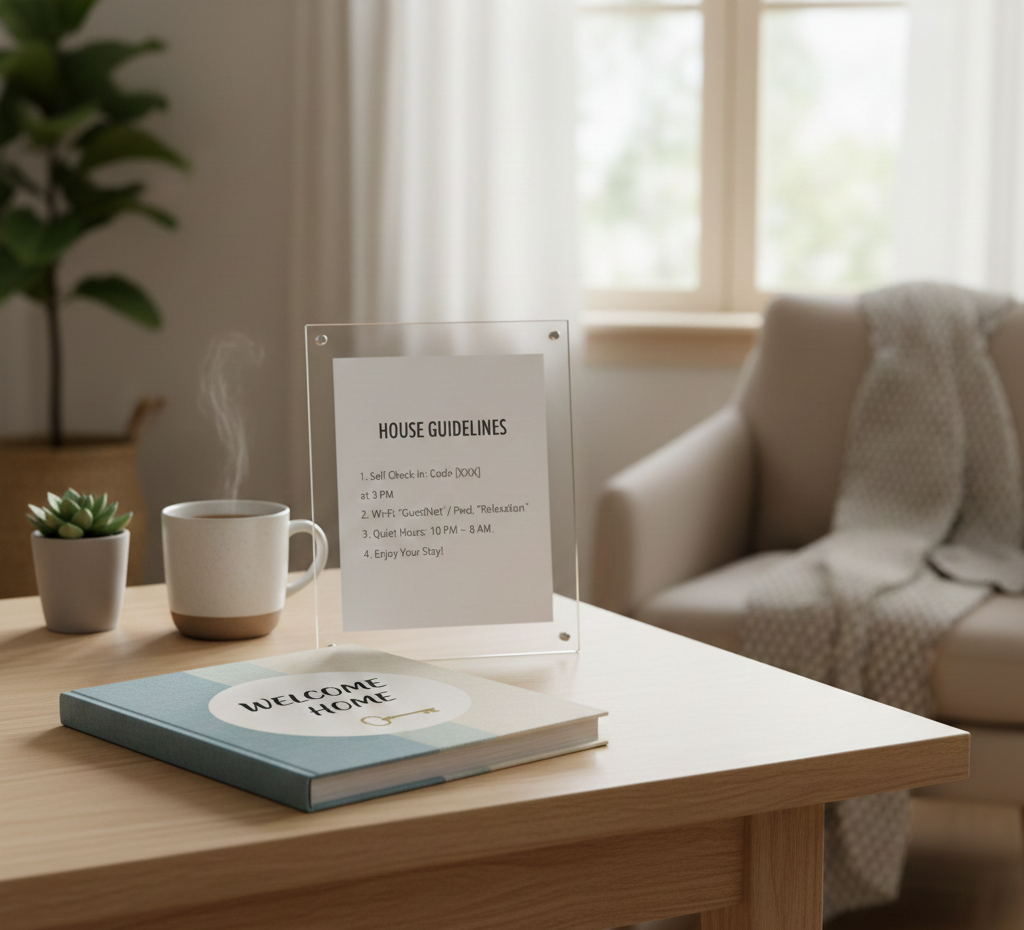
Exceptional spaces are not accidental. They are the result of emotional design, a mindset that considers how people feel at every stage of interaction. This approach asks simple but powerful questions. How does it feel to arrive late at night? How does it feel to navigate the space when tired? How does it feel when something goes wrong?
Emotional design does not require luxury finishes or extravagant décor. It requires consistency, attention, and care. When these elements are embedded into systems, the space itself becomes reassuring. Over time, this builds a reputation that cannot be replicated through marketing alone.
If your goal is better reviews, repeat stays, and long-term trust, emotional comfort must be part of your management strategy, not an afterthought.
The Lasting Power of Quietly Well-Run Spaces
In a world filled with noise, complexity, and uncertainty, order is deeply attractive. Spaces that are clean, predictable, and well maintained do not compete loudly for attention. They offer something more valuable: quiet confidence.
People return to spaces where they can relax without explanation. They recommend places that made life easier, even briefly. Over time, these environments become preferred not because they were perfect, but because they felt dependable.

If you want your properties or managed spaces to stand out emotionally, consistency and care must be built into your systems. Clean, predictable, and well-maintained environments are not accidental. They are the result of intentional management.
Clean spaces do not shout. Predictable systems do not demand attention. Well-maintained environments do not need explanation. They quietly communicate safety, trust, and care. And in today’s world, that quiet reassurance is one of the most powerful experiences you can offer.