
Revolutionizing Facilities: Eco-Friendly Commercial Cleaning Services with All-Electric Equipment
Why forward-thinking facility leaders are rethinking “business as usual” cleaning
Setting the Case for Eco-Friendly, All-Electric Cleaning
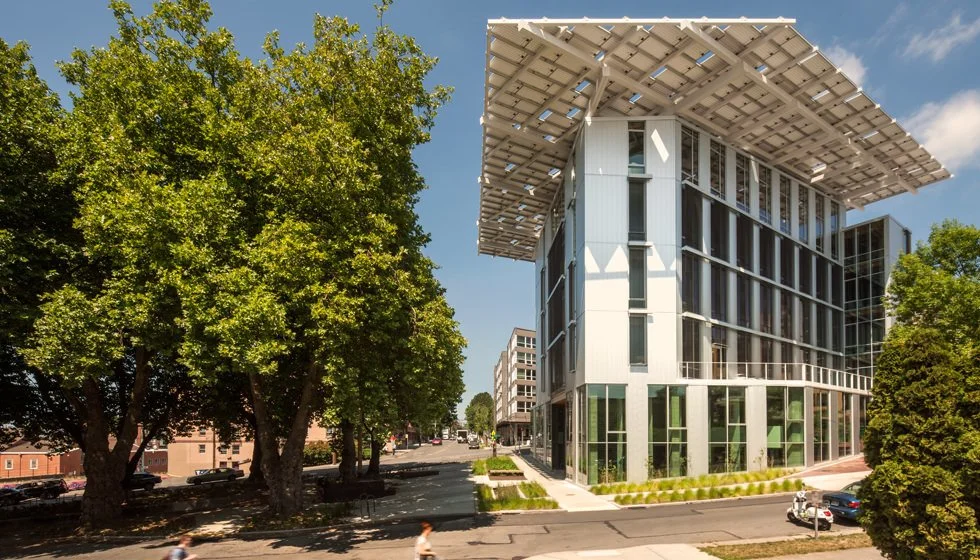
For many commercial facilities, cleaning remains an operational afterthought—essential, yet rarely questioned. Gas-powered equipment, chemical-intensive processes, and legacy practices still dominate daily routines across offices, healthcare buildings, schools, and mixed-use properties. While these methods appear familiar and functional, they quietly contribute to rising operating costs, inconsistent performance, and environmental impact. Industry data shows that facility operations can account for up to 30% of a building’s total environmental footprint, with cleaning equipment playing a significant role. The real issue isn’t cleanliness—it’s whether current cleaning methods still align with modern facility expectations.
As sustainability, ESG reporting, and occupant wellbeing become board-level priorities, traditional cleaning methods increasingly clash with organizational goals. Fuel-powered machines emit pollutants that compromise indoor air quality, while excessive noise disrupts occupants and frontline teams. Research consistently links poor indoor air quality to reduced cognitive performance and higher absenteeism—costs that rarely appear on cleaning budgets but directly affect productivity. For facility leaders, the challenge is no longer operational efficiency alone, but reputational risk and long-term performance. If facilities are evolving, should cleaning practices remain stuck in the past?
This tension explains why decision-makers are actively searching for the best eco-friendly commercial cleaning companies and evaluating top sustainable facility cleaning services. Organizations are questioning not just who cleans their buildings, but how cleaning is performed and what impact it creates.The rise in demand for all-electric cleaning equipment reviews signals a broader shift: cleaning is becoming a strategic lever for sustainability, compliance, and tenant satisfaction rather than a routine service. What would it mean for your facility if cleaning actively supported your ESG objectives instead of quietly undermining them?
All-electric commercial cleaning offers a clear alternative. By eliminating on-site emissions, reducing noise levels, and lowering maintenance complexity, all-electric equipment directly addresses the structural weaknesses of traditional cleaning. Facilities adopting this model report improved indoor air quality, smoother operations, and more predictable cost control. When paired with environmentally responsible cleaning methods, this approach creates measurable outcomes—allowing facility leaders to clearly assess eco-friendly cleaning ROI for commercial buildings rather than relying on assumptions.
As organizations begin to compare all-electric vs traditional cleaning costs, a defining realization emerges: the discussion is no longer about whether sustainable cleaning is viable, but whether continuing outdated methods is defensible. Cleaning decisions now influence tenant retention, workforce wellbeing, and brand credibility. The question facility leaders must ask is simple yet powerful— is your current cleaning approcah helping your facility move forward, or quietly holding it back?
| Cleaning Factor | Traditional Cleaning Methods | All-Electric Eco-Friendly Cleaning |
|---|---|---|
| Energy Source | Fuel-powered or mixed energy | Fully electric |
| On-site Emissions | High | Zero |
| Noise Levels | Loud and disruptive | Quiet and occupant-friendly |
| Maintenance Frequency | High | Lower |
| Indoor Air Quality Impact | Often negative | Positive |
| ESG & Sustainability Alignment | Limited | Strong |
| Long-Term ROI Visibility | Low | High |
Market Landscape: Eco-Friendly Commercial Cleaning & the Rise of All-Electric Operations
The Market Signal
Across commercial real estate, healthcare, education, and mixed-use facilities, sustainability is no longer a future aspiration—it is an operational expectation. This shift is evident in procurement behavior. Facility leaders are actively benchmarking vendors, searching for the best eco-friendly commercial cleaning companies that can demonstrate environmental responsibility without compromising service reliability. What’s driving this shift is not ideology, but risk management: energy volatility, regulatory pressure, and growing accountability around ESG disclosures. Cleaning providers that cannot evidence sustainable operations are increasingly excluded from competitive bids.
From “Green Claims” to Proof
As demand grows, so does skepticism. Many service providers now label themselves as “green” or “eco-friendly,” yet still rely on fuel-powered equipment and traditional cleaning models. This has made decision-makers more analytical, pushing them to seek credible all-electric cleaning equipment reviews and verifiable performance data. The market is moving away from surface-level sustainability claims toward measurable outcomes—emissions reduction, noise control, lifecycle costs, and occupant impact. In this environment, the gap between marketing language and operational reality is becoming increasingly visible.
What Defines Top Sustainable Facility Cleaning Services
Leading providers in this space share several defining characteristics. First, they invest in fully electric equipment fleets rather than partial upgrades. Second, they integrate sustainability into operations—not as an add-on, but as a core service model. Third, they provide transparency around performance metrics, helping clients understand cost, efficiency, and environmental impact over time. These traits increasingly define top sustainable facility cleaning services, separating long-term partners from short-term vendors. For facility leaders, the question is no longer who offers the lowest bid—but who offers the strongest operational alignment.
Cost Comparison Is Reshaping Decisions
One of the most common misconceptions in the market is that sustainable cleaning is inherently more expensive. This belief is now being challenged as organizations begin to compare all-electric vs traditional cleaning costs across full equipment lifecycles. While all-electric equipment may carry higher upfront costs, it typically delivers lower fuel expenses, reduced maintenance, fewer breakdowns, and longer usable life. When evaluated over time, these factors significantly alter total cost of ownership—especially for large or high-traffic facilities.
ROI Becomes the Deciding Factor
This evolving cost perspective is why eco-friendly cleaning ROI for commercial buildings has become a focal point in procurement discussions. ROI is no longer measured solely in cleaning outcomes, but across operational efficiency, compliance readiness, occupant satisfaction, and reputational value. Forward-thinking facility leaders now see sustainable cleaning as a performance investment rather than a discretionary expense. The providers gaining traction are those that can clearly connect cleaning operations to long-term
Operational & Financial Impact: How All-Electric Cleaning Delivers Measurable ROI
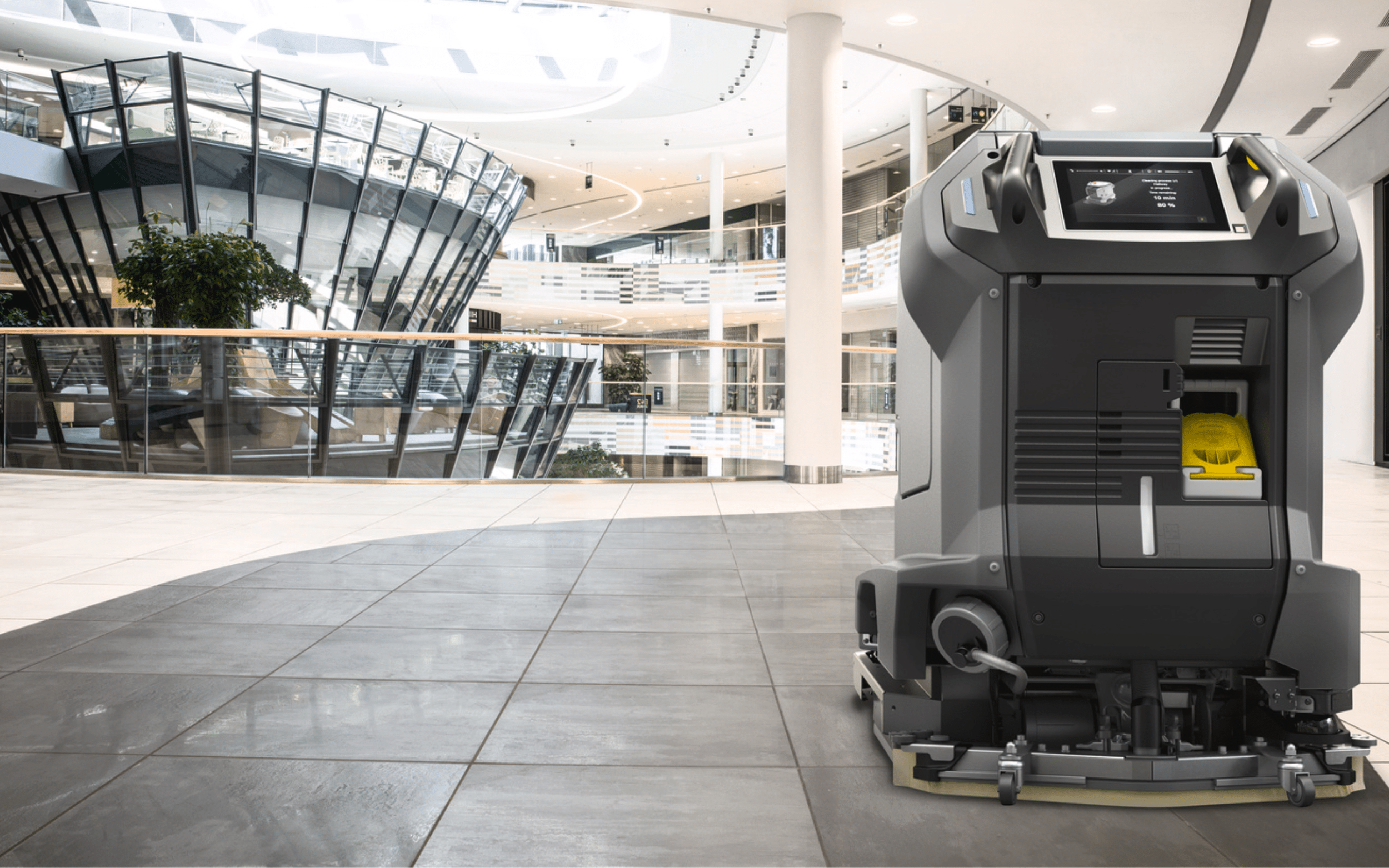
The ROI Question Facility Leaders Ask
When sustainability initiatives enter procurement discussions, the first question decision-makers ask is not “ is this environmentally responsible? but “Does this make operational and financial sense? In commercial cleaning, this question has historically favored traditional methods due to lower upfront costs. However, as organizations begin to evaluate performance across full equipment lifecycles, that assumption is being challenged. The focus is shifting toward eco-friendly cleaning ROI for commercial buildings, where efficiency, durability, and predictability matter as much as initial spend.
Total Cost of Ownership Tells a Different Story
A side-by-side comparison reveals a critical distinction between upfront cost and long-term value. While fuel-powered cleaning equipment often appears cheaper at acquisition, it carries ongoing expenses—fuel, frequent maintenance, higher breakdown rates, and shorter operational lifespan. All-electric cleaning equipment, by contrast, reduces or eliminates fuel dependency, requires fewer mechanical interventions, and operates with greater consistency. Over time, these factors materially change how organizations compare all-electric vs traditional cleaning costs, especially across large or multi-site facilities.
Operational Efficiency & Workforce Impact
Beyond direct cost savings, all-electric cleaning improves day-to-day operations. Quieter machines allow cleaning to occur during business hours without disrupting occupants, reducing the need for overnight shifts and associated labor premiums. Improved ergonomics and reduced emissions also contribute to better working conditions for cleaning teams, supporting retention and productivity. These operational efficiencies rarely show up as line items, yet they compound into measurable performance gains over time.
Risk Reduction & Compliance Value
Regulatory expectations around emissions, noise, and sustainability reporting continue to tighten. All-electric cleaning reduces exposure to compliance risks while strengthening ESG narratives with tangible operational evidence. For facilities in healthcare, education, and publicly accountable environments, this risk mitigation alone carries significant value. Cleaning operations that align with sustainability frameworks are no longer just “preferred”—they are increasingly expected.
From Cost Center to Strategic Asset
When evaluated holistically, all-electric, eco-friendly cleaning reframes the role of facilities management. What was once a reactive cost center becomes a proactive contributor to operational resilience, occupant satisfaction, and brand credibility. Facility leaders who adopt this model are not simply reducing emissions—they are future-proofing their operations. The real question is no longer whether the ROI exists, but how long organizations can afford to delay capturing it.
Why Immaculate Management Group (IMG): Turning Sustainable Cleaning into Operational Advantage
Beyond “Green Cleaning” Promises
As more providers enter the eco-friendly cleaning space, facility leaders face a familiar challenge: separating credible operators from marketing-led claims. Many companies promote sustainability in theory, yet struggle to operationalize it consistently at scale. Immaculate Management Group (IMG) approaches eco-friendly commercial cleaning differently—by treating sustainability as an operational discipline, not a branding exercise. This ensures that environmental responsibility aligns directly with service reliability, compliance, and performance expectations.
All-Electric Cleaning as a System, Not a Feature
IMG’s adoption of all-electric cleaning equipment is not a standalone upgrade—it is part of a broader, systems-driven approach to facilities management. By integrating all-electric equipment into structured cleaning programs, IMG reduces emissions, minimizes disruption, and improves consistency across client sites. This model allows facility leaders to confidently respond to ESG scrutiny, internal audits, and stakeholder expectations with verifiable operational evidence rather than assumptions.
Built for Complex, High-Accountability Facilities
Facilities in healthcare, education, commercial real estate, and mixed-use environments operate under intense performance and compliance pressure. IMG’s eco-friendly cleaning services are designed specifically for these contexts—where attention to detail, proactive planning, and efficiency are non-negotiable. By aligning cleaning schedules, equipment deployment, and performance monitoring, IMG helps clients maintain high standards without introducing unnecessary operational risk.
👉 Explore IMG’s sustainable facilities services here:
https://www.theimggroup.com
Measurable Value, Not Assumed ROI
Rather than positioning sustainability as a cost premium, IMG helps clients evaluate cleaning through a performance lens—efficiency, durability, workforce impact, and long-term value. This approach supports clearer decision-making when organizations assess eco-friendly cleaning ROI for commercial buildings. By combining all-electric equipment with disciplined execution, IMG enables facilities to reduce hidden costs while strengthening operational resilience.
A Partner for the Long Term
Choosing a cleaning provider is no longer a short-term procurement decision—it is a strategic partnership that influences facility performance, brand credibility, and future readiness. IMG works collaboratively with clients to support smooth transitions, minimize disruption, and deliver consistent outcomes over time. For organizations ready to modernize their facilities without compromising reliability, IMG provides a path forward grounded in data, discipline, and results.
👉Start a conversation with IMG about eco-friendly, all eelectric cleaning:
https://www.theimggroup.com/contact
Implementation & Transition: Moving to All-Electric Cleaning Without Disruption

The Transition Concern Facility Leaders Share
For many organizations, the hesitation around adopting all-electric, eco-friendly cleaning isn’t philosophical—it’s operational. Facility leaders worry about service disruption, staff retraining, equipment reliability, and cost control during transition periods. In high-traffic environments such as hospitals, schools, and commercial campuses, even minor interruptions can have outsized consequences. These concerns are valid, which is why successful transitions rely on structured planning rather than abrupt change.
Phased Implementation Reduces Risk
The most effective transitions to all-electric cleaning follow a phased approach. Rather than replacing all equipment at once, facilities often begin with high-impact zones—common areas, lobbies, corridors, and shared spaces—where noise reduction and air quality improvements are immediately noticeable. This allows teams to validate performance, refine workflows, and build confidence before expanding deployment. Phased implementation minimizes operational risk while delivering early, visible wins.
Workforce Readiness & Operational Continuity
Equipment alone does not deliver results—people do. Transitioning to all-electric cleaning requires practical training, clear process alignment, and realistic performance expectations. Fortunately, all-electric equipment is often easier to operate and maintain than traditional alternatives, reducing learning curves. Improved ergonomics, quieter operation, and reduced exposure to emissions also support workforce wellbeing, helping stabilize teams and maintain service continuity during change.
Data, Monitoring & Continuous Improvement
Facilities that extract the greatest value from eco-friendly cleaning treat implementation as an ongoing optimization process. Performance monitoring—covering equipment uptime, cleaning outcomes, and operational efficiency—enables continuous improvement rather than static compliance. This data-driven mindset allows organizations to fine-tune schedules, allocate resources more effectively, and ensure that sustainability goals translate into measurable performance gains.
Change Management as a Strategic Advantage
When approached thoughtfully, the transition to all-electric cleaning becomes a demonstration of leadership rather than a source of disruption. Clear communication with stakeholders, transparent performance metrics, and realistic timelines help build trust across teams and occupants. Facilities that manage this transition well often emerge stronger—more resilient, more compliant, and better positioned for future regulatory and operational demands.
The Strategic Case for All-Electric, Eco-Friendly Cleaning
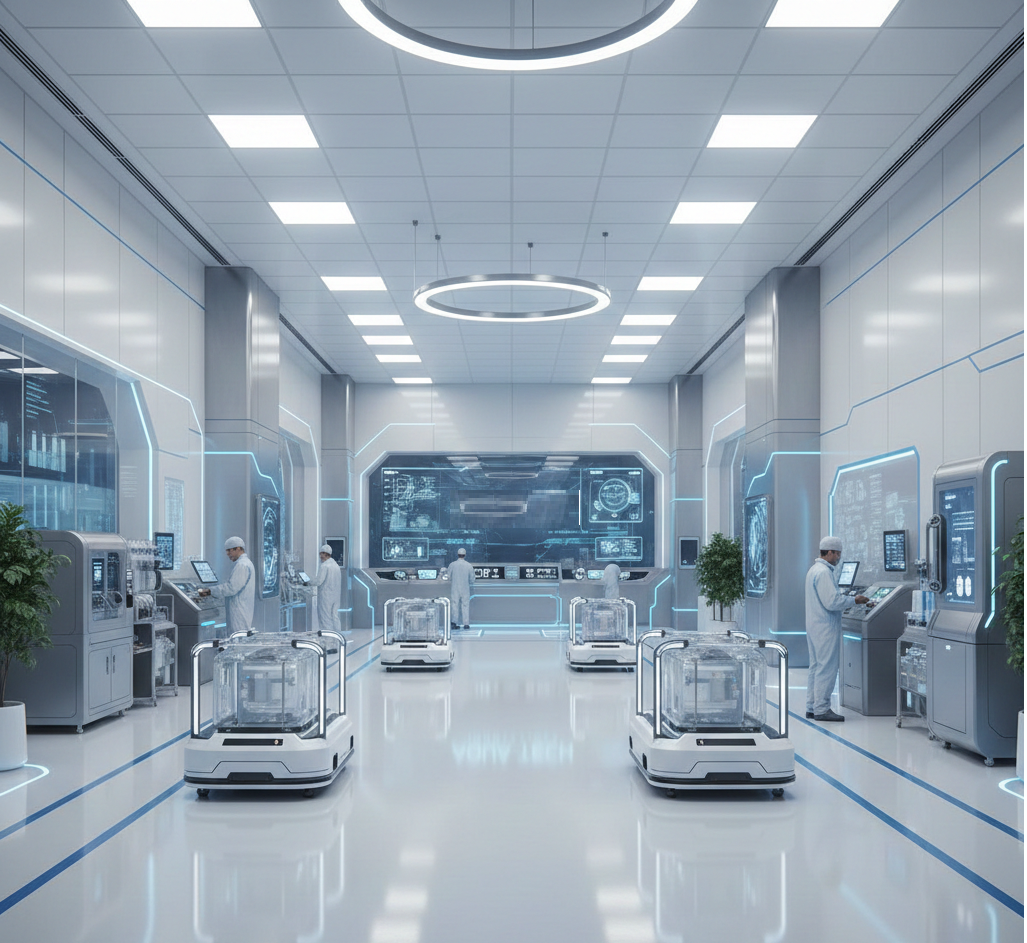
Future-ready commercial facility using eco-friendly all-electric cleaning services
The Industry Has Crossed a Threshold
Commercial cleaning is no longer a purely operational concern—it has become a visible indicator of how organizations manage risk, responsibility, and long-term value. As sustainability expectations rise and facility performance comes under greater scrutiny, legacy cleaning models are increasingly misaligned with modern requirements. The shift toward eco-friendly, all-electric cleaning is not a trend driven by image, but a response to structural challenges around cost, compliance, and occupant wellbeing.
From Reactive Decisions to Strategic Alignment
Facilities that continue to rely on traditional, fuel-powered cleaning methods often do so out of habit rather than intent. Yet when leaders step back and evaluate cleaning through a strategic lens—considering indoor air quality, workforce impact, ESG alignment, and lifecycle costs—the case for change becomes clear. All-electric cleaning provides a way to align daily operations with broader organizational goals without sacrificing reliability or control.
Value That Extends Beyond Cleanliness
The true value of eco-friendly cleaning lies in its cumulative effect. Reduced emissions support compliance and reporting. Quieter equipment improves occupant experience. Lower maintenance demands enhance operational predictability. Together, these outcomes transform cleaning from a background cost into a contributor to facility resilience and brand credibility. Over time, this value compounds—delivering benefits that extend well beyond surface-level cleanliness.
Leadership Is Reflected in Operational Choices
In an environment where stakeholders increasingly evaluate organizations by what they do, not what they claim, operational decisions carry weight. Cleaning practices are among the most visible and recurring expressions of those decisions. Facilities that adopt all-electric, sustainable cleaning models demonstrate foresight, accountability, and readiness for future demands—qualities that resonate with tenants, regulators, and employees alike.
The Question That Remains
As eco-friendly commercial cleaning becomes a benchmark rather than an exception, the question facing facility leaders is no longer weather the transition will happen, but when. Organizations that act early position themselves ahead of regulatory pressure and market expectations, while those that delay risk falling behind. The real strategic choice is whether cleaning operations will continue to reflect the past—or help define the future.
Frequently Asked Questions (FAQ)
1. What makes a commercial cleaning company truly eco-friendly?
A genuinely eco-friendly commercial cleaning company goes beyond green marketing claims. It uses low-emission or zero-emission equipment, environmentally responsible cleaning methods, and operational processes that reduce environmental impact without compromising performance. Transparency, measurable outcomes, and consistency across sites are key indicators.
2. Are all-electric cleaning machines effective for large commercial facilities?
Yes. Modern all-electric cleaning equipment is specifically designed for large-scale commercial environments, including offices, healthcare facilities, schools, and mixed-use properties. These machines deliver comparable—or superior—cleaning performance while operating more quietly, producing zero on-site emissions, and requiring less maintenance than traditional fuel-powered alternatives.
3. How do all-electric cleaning costs compare to traditional cleaning methods?
When organizations compare all-electric vs traditional cleaning costs, upfront equipment pricing is only part of the equation. All-electric solutions typically reduce fuel expenses, maintenance frequency, downtime, and compliance risk. Over the full lifecycle, many facilities find that all-electric cleaning offers stronger total cost of ownership and more predictable budgeting.
4. What is the ROI of eco-friendly cleaning for commercial buildings?
Eco-friendly cleaning ROI for commercial buildings extends beyond direct cost savings. Benefits include improved indoor air quality, reduced operational disruptions, enhanced workforce conditions, stronger ESG alignment, and improved tenant or occupant satisfaction. These factors collectively contribute to long-term operational resilience and reputational value.
5. Is transitioning to all-electric cleaning disruptive to daily operations?
When implemented through a phased and well-managed approach, the transition to all-electric cleaning can be achieved with minimal disruption. Many facilities start with high-impact areas and scale gradually, allowing teams to adapt while maintaining service continuity and performance standards.
6. Why are organizations increasingly choosing sustainable facility cleaning services?
Organizations are prioritizing sustainable facility cleaning services due to growing regulatory pressure, ESG accountability, rising energy costs, and increased awareness of occupant wellbeing. Sustainable cleaning is no longer viewed as optional—it is becoming a standard expectation in modern facilities management.
7. How do facility managers evaluate the best eco-friendly commercial cleaning companies?
Facility managers assess eco-friendly cleaning providers based on operational capability, equipment standards, performance transparency, reliability, and alignment with sustainability goals. Providers that demonstrate measurable results, disciplined execution, and long-term partnership value stand out in competitive procurement processes.