
Why Emergency Preparedness Begins with Everyday Maintenance
Emergency preparedness is often treated as a standalone initiative—something that lives in binders, compliance documents, and annual safety meetings. Organizations invest time and resources into emergency response plans, evacuation procedures, and regulatory inspections, believing these measures alone are enough to protect their people and facilities when unexpected events occur.
Yet, the uncomfortable truth is this: most emergencies are not sudden, unavoidable events. They are the predictable outcome of small, everyday issues that were allowed to persist. Long before alarms are triggered or operations are halted, warning signs quietly emerge through neglected maintenance, inconsistent cleaning routines, and overlooked infrastructure care.
For commercial facilities, emergency preparedness maintenance does not begin during a crisis. It begins in the ordinary—in how floors are cleaned, how restrooms are maintained, how waste is managed, and how building systems are inspected daily. The difference between a resilient facility and a vulnerable one is rarely the emergency plan itself; it is the consistency of everyday maintenance that either prevents escalation or allows it to occur.
This essay explores why everyday maintenance is the foundation of true emergency preparedness, how neglect compounds risk over time, and why organizations that prioritize preventive facility care are better positioned to protect people, property, and operations.
Emergencies Are Rarely Sudden—They Are the Result of Accumulated Neglect
The idea that emergencies strike without warning is deeply ingrained in how organizations think about risk. Fires, floods, system failures, health outbreaks, and safety incidents are often framed as unpredictable disruptions rather than foreseeable outcomes. In reality, most emergencies follow a pattern: they evolve quietly from unresolved issues that were once small enough to manage easily.
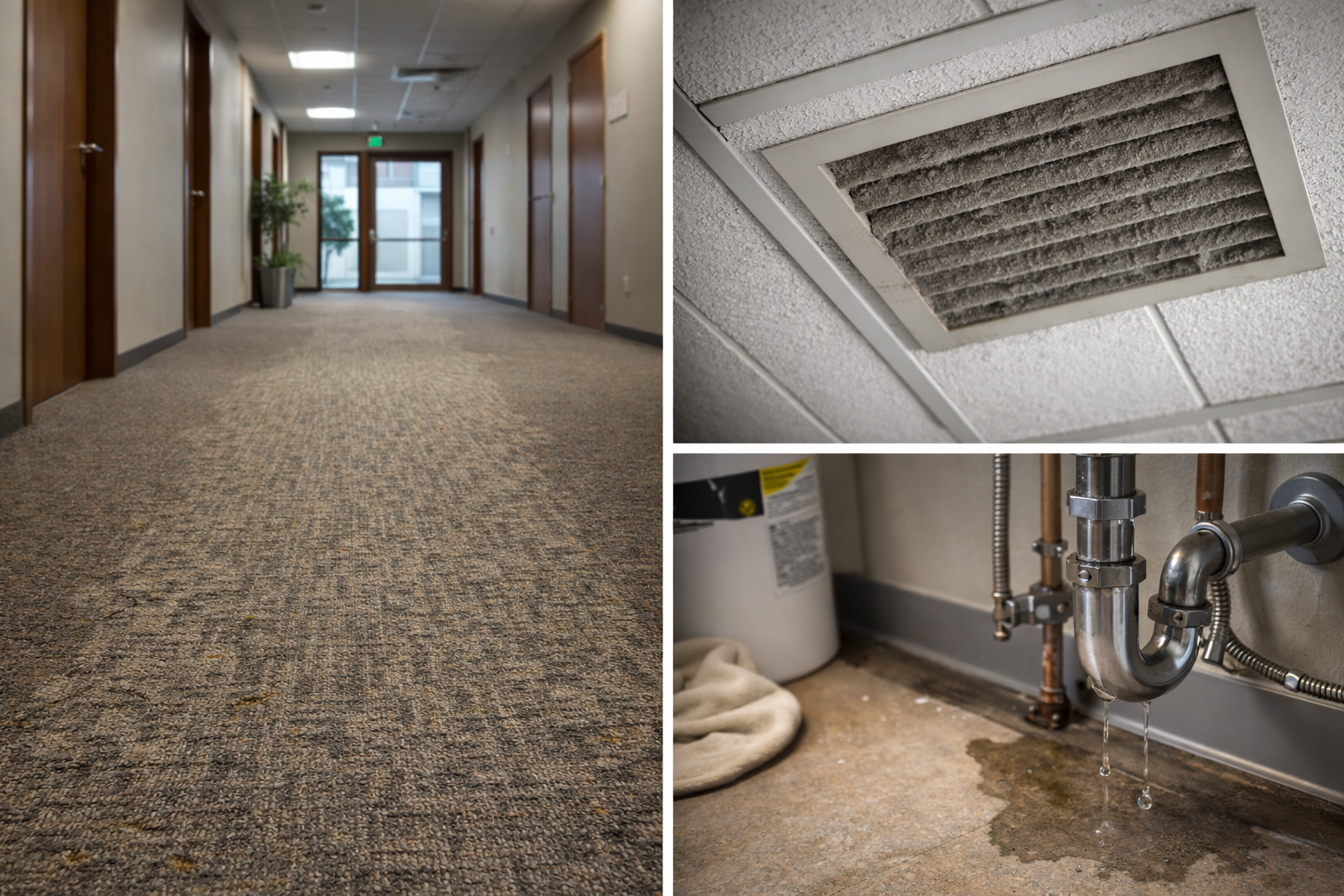
In commercial buildings, risk accumulates incrementally. A minor plumbing issue may not seem urgent, yet persistent leaks weaken structures, encourage mold growth, and create sanitation hazards. Dust buildup in HVAC systems may appear cosmetic, but it restricts airflow, strains equipment, and compromises indoor air quality until systems fail under pressure. Floors that are not properly cleaned or maintained gradually lose traction, increasing the likelihood of slip-and-fall incidents that lead to injury claims and operational disruptions.
These issues rarely occur in isolation. Instead, they overlap and reinforce one another, creating environments where emergencies become inevitable rather than accidental. What makes this especially dangerous is that these risks develop during normal operations, often invisible to leadership until a tipping point is reached.
Emergency preparedness maintenance recognizes that prevention is not about predicting disasters; it is about eliminating the conditions that allow small problems to grow unchecked. Facilities that operate reactively often find themselves responding to crises they could have avoided through consistent daily care.
Everyday Maintenance as the Foundation of Emergency Preparedness
Everyday maintenance is frequently underestimated because it lacks urgency. Cleaning schedules, routine inspections, and preventive repairs are seen as operational background tasks rather than strategic safeguards. Yet these very routines form the most reliable defense against emergencies.
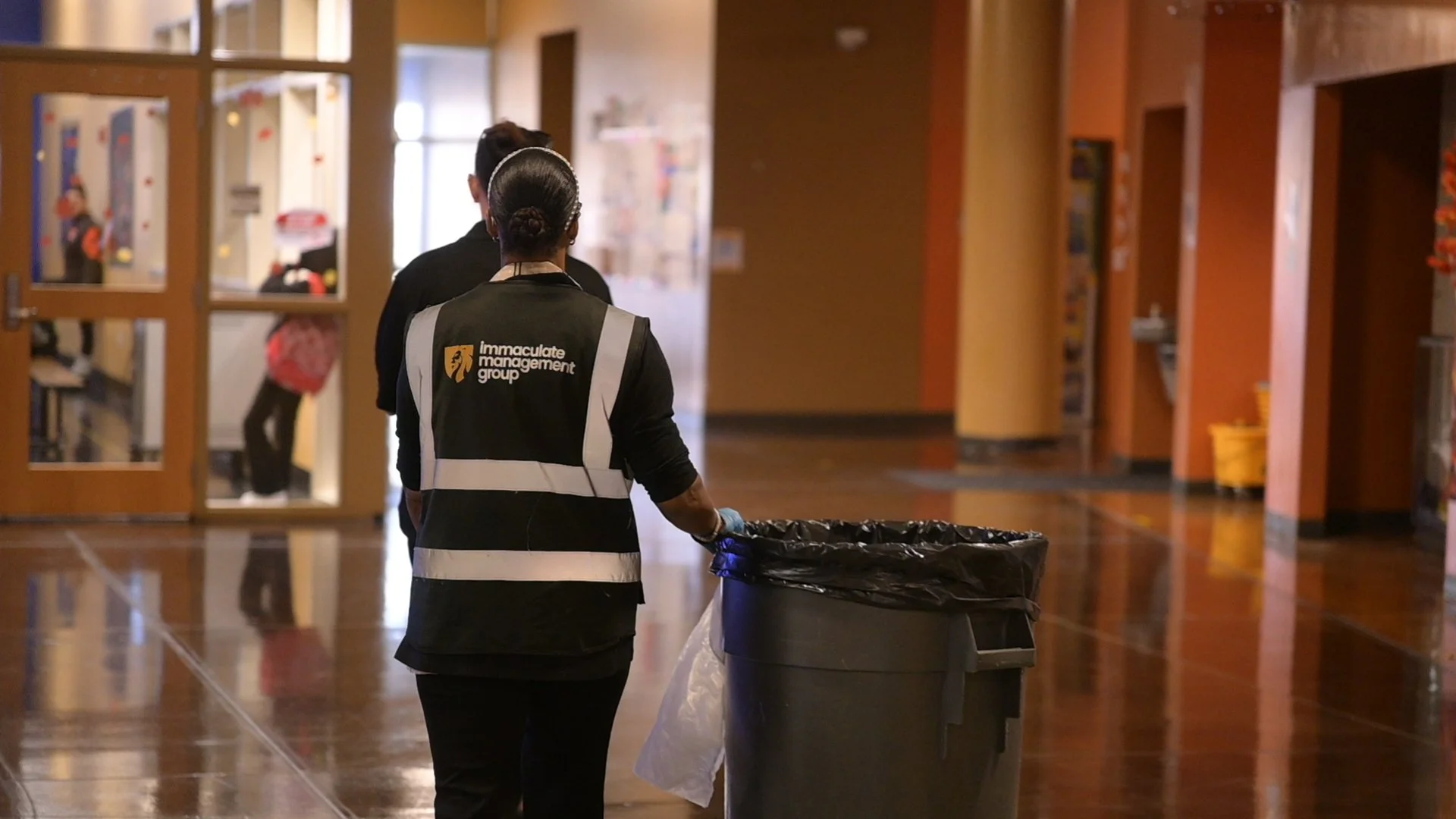
Daily janitorial services play a critical role in maintaining hygiene, safety, and visibility across a facility. Clean restrooms reduce health risks and absenteeism. Proper waste management prevents pest infestations and regulatory violations. High-touch surface cleaning limits the spread of illness, particularly in shared environments where outbreaks can quickly disrupt operations.
Facility maintenance services extend this protective layer by ensuring that building systems function as intended. Regular inspections of HVAC, plumbing, lighting, and electrical systems allow technicians to detect early signs of wear, inefficiency, or failure. When addressed promptly, these issues remain manageable. When ignored, they escalate into emergencies that demand immediate and costly intervention.
What distinguishes prepared facilities from vulnerable ones is not the absence of problems but the presence of structure. Prepared facilities operate with consistent routines, documented processes, and trained personnel who understand that maintenance is not a reaction to failure but a method of prevention.
For commercial facilities, consistent janitorial and maintenance routines are what prevent small issues from becoming operational shutdowns.
Emergency preparedness maintenance reframes daily tasks as strategic actions. Cleaning is no longer cosmetic; it is risk management. Maintenance is no longer optional; it is preparedness in action.
The Operational and Financial Consequences of Reactive Maintenance
Organizations that rely on reactive maintenance often do so under the assumption that addressing issues only when they become urgent is more cost-effective. In practice, this approach introduces instability, inflates expenses, and exposes facilities to unnecessary risk.
Reactive maintenance typically occurs under pressure. Emergency repairs require expedited labor, premium pricing, and immediate disruption of operations. Equipment failures may force partial shutdowns, displace occupants, or interrupt critical services. Regulatory inspections conducted during periods of neglect are more likely to result in fines, citations, or reputational damage.
Beyond direct financial costs, reactive maintenance undermines confidence. Tenants, employees, and visitors interpret repeated emergencies as signs of poor management and inadequate care. Trust erodes, and the facility’s reputation suffers—often in ways that are difficult to quantify but deeply consequential.
Preventive maintenance offers a fundamentally different model. It introduces predictability into facility operations. Service schedules are planned, budgets are stabilized, and risks are addressed before they require urgent response. Preventive care also supports compliance by ensuring that facilities remain inspection-ready rather than scrambling to meet standards under pressure.
From an emergency preparedness perspective, preventive maintenance is not merely about avoiding breakdowns; it is about maintaining control. Facilities that invest in everyday maintenance reduce uncertainty and improve their ability to respond calmly and effectively when genuine emergencies occur.
Why Integrated Facility Services Strengthen Long-Term Preparedness
Emergency preparedness is most effective when janitorial and facility maintenance services operate as an integrated system rather than isolated functions. Cleanliness and infrastructure care are deeply interconnected, and separating them weakens overall preparedness.
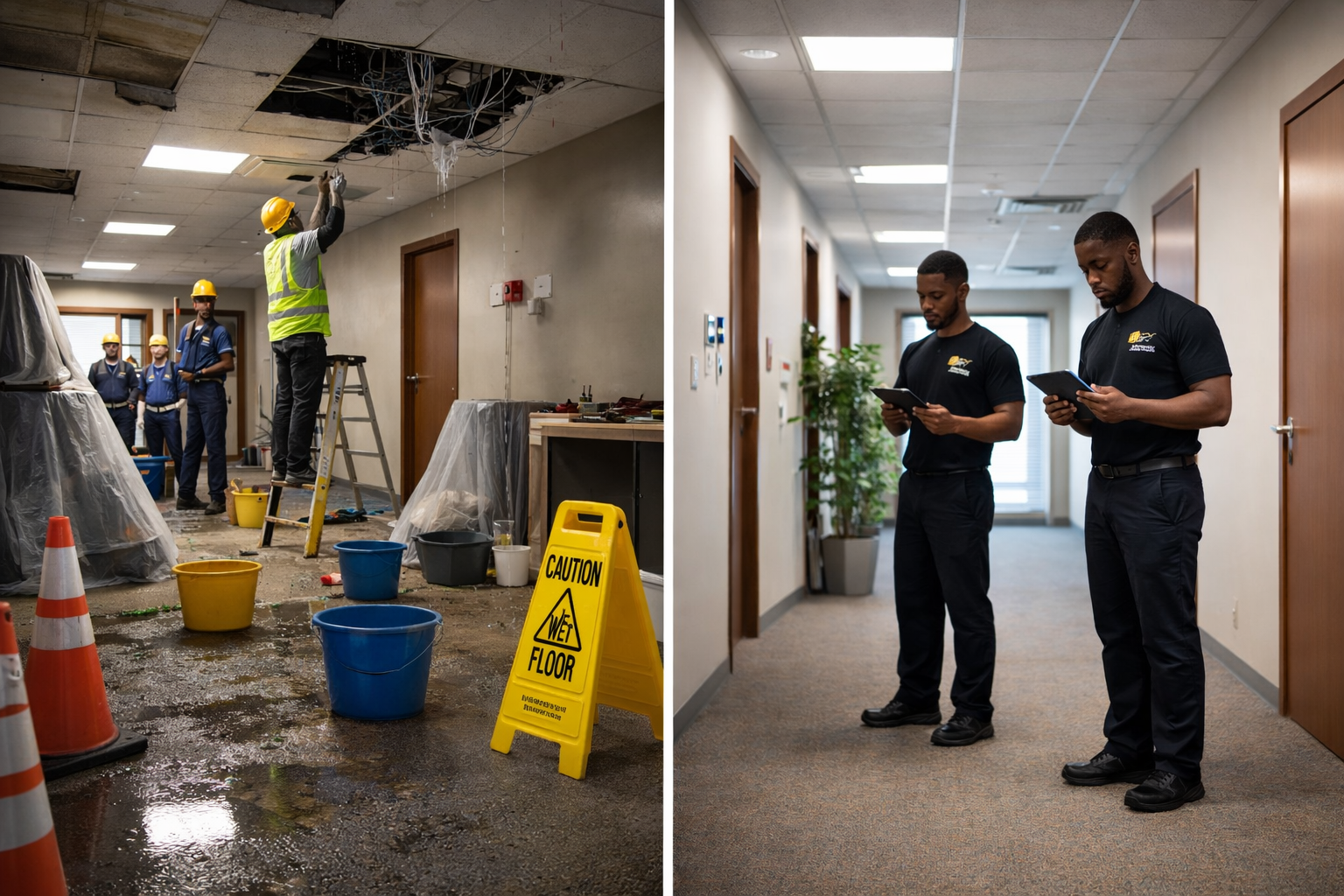
Janitorial teams are often the first to notice changes in a facility—water pooling where it should not be, unusual odors, damaged surfaces, or recurring sanitation issues. When these observations are communicated effectively to maintenance teams, problems are addressed early. When they are ignored or siloed, risks persist.
Integrated facility services create continuity. Maintenance repairs support improved cleaning outcomes. Cleaning routines reveal maintenance needs. Documentation aligns across services, supporting compliance and audit readiness. This coordination transforms everyday operations into a cohesive preparedness strategy.
At Immaculate Management Group (IMG), janitorial and facility maintenance services are designed to work together, reinforcing one another through consistency and oversight. This integrated approach ensures that preparedness is not episodic but embedded into daily operations.
If you manage a commercial facility, proactive janitorial and facility maintenance is one of the simplest and most effective ways to strengthen emergency preparedness.
Schedule a facility walkthrough to identify hidden risks before they become emergencies.
Preparedness is not achieved through isolated efforts. It is built through systems that work together every day.

Emergency Preparedness Is Built Daily, Not During a Crisis
True emergency preparedness is not defined by how well an organization reacts under pressure, but by how effectively it prevents crises from occurring in the first place. Facilities that prioritize everyday maintenance cultivate environments where risks are visible, manageable, and addressed before they escalate.
Prepared facilities operate with intention. They understand that cleanliness supports health, that maintenance supports safety, and that consistency supports resilience. They do not wait for emergencies to reveal weaknesses; they address those weaknesses through daily discipline.
Emergency preparedness maintenance is not a one-time initiative. It is a commitment woven into routine operations—a commitment that protects people, preserves assets, and sustains continuity when unexpected challenges arise.
Prepared facilities don’t wait for emergencies. They prevent them through consistency, foresight, and professional maintenance support.
If you manage a commercial facility and want to strengthen emergency preparedness through everyday maintenance, a professional walkthrough is the best place to start.