
Sustainable Living Practices with IMG: Small Changes That Make a Big Impact
Why Sustainable Living Matters
Sustainable living is no longer an optional lifestyle choice—it’s a responsibility. As environmental concerns such as climate change, pollution, and resource depletion continue to grow, the decisions we make every day—at home, at work, and in transit—can significantly affect the planet. From energy consumption to transportation, the way we live and manage resources shapes the health of our environment for future generations.
At Immaculate Management Group (IMG), we see sustainability as an integral part of facilities management and everyday life. For businesses, sustainable practices aren’t just about compliance—they influence efficiency, cost savings, and reputation. For individuals, small choices can collectively create a big impact. Whether it’s reducing energy usage, selecting eco-friendly products, or making smarter transportation decisions, each action counts.
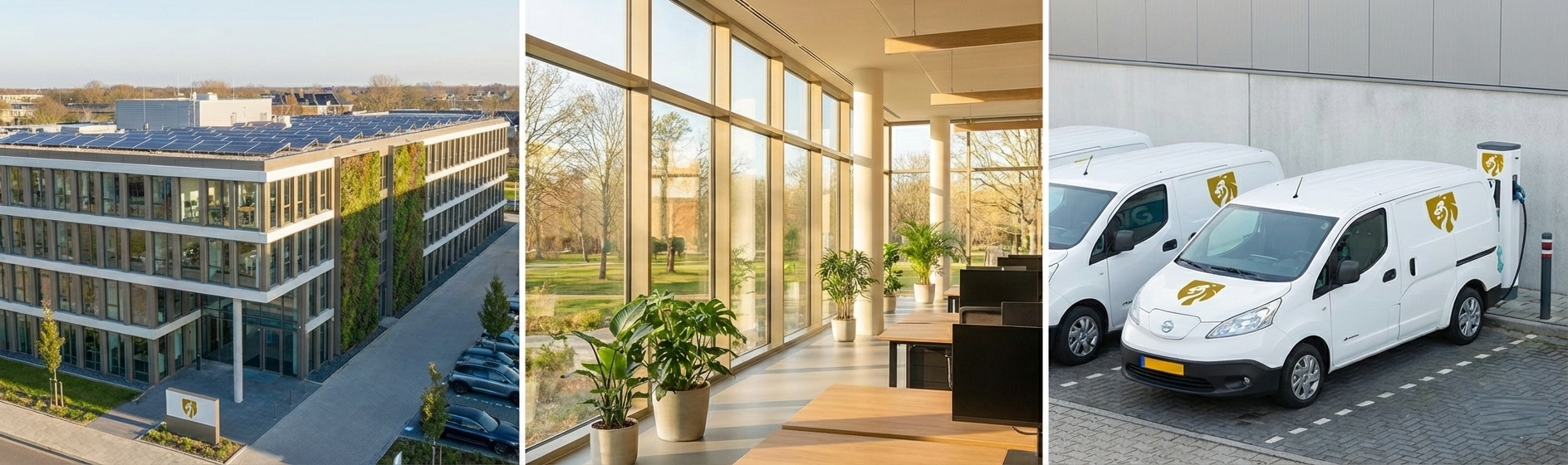
Sustainable workplace and electric vehicle fleet.
One of the most critical areas where sustainability intersects with daily life is transportation. Vehicles contribute significantly to greenhouse gas emissions, making eco-friendly transportation choices a vital part of any sustainability plan. At IMG, we help businesses and organizations implement transportation solutions that prioritize efficiency and reduce carbon footprints. Our approach combines route optimization, electric and hybrid fleets, and proactive planning to minimize environmental impact without compromising operational needs.
Sustainable living also extends to energy consumption, food choices, waste management, and even community engagement. By adopting a holistic approach, we can create a lifestyle and workplace culture that prioritizes environmental responsibility. IMG’s role is not just to advise but to implement actionable solutions that make sustainable living attainable for facilities, businesses, and individuals alike.
Why does it matter? The environmental challenges we face today are urgent. Rising global temperatures, increasing natural disasters, and shrinking natural resources are clear signs that business as usual is no longer sustainable. By embracing sustainable living practices, organizations and individuals can reduce their environmental footprint, lower operational costs, and contribute to a healthier planet. Furthermore, organizations that adopt green practices often see improved public perception, employee satisfaction, and long-term resilience.
Throughout this blog, we’ll explore seven key sustainable living practices that can transform both personal and professional environments. Each section will provide actionable insights, practical steps, and real-world examples, showing how small changes can lead to significant results. Whether you’re a facility manager, a business owner, or simply someone looking to make a difference, these strategies are designed to guide you toward a more sustainable lifestyle.
By integrating IMG’s expertise in facilities and transportation management, we demonstrate that sustainability is achievable with the right planning, tools, and mindset. From energy efficiency to conscious consumerism, every choice matters—and every step counts.
Mindful Energy Consumption: Reducing Waste Without Reducing Comfort
Energy consumption sits at the heart of sustainable living. Whether in residential spaces, commercial buildings, or large facilities, energy use directly affects carbon emissions, operational costs, and environmental impact. The good news is that meaningful reductions do not require drastic lifestyle changes—they require awareness, planning, and smarter systems.
For individuals, simple actions such as switching off unused appliances, maximizing natural daylight, and choosing energy-efficient lighting can significantly reduce electricity usage over time. LED lighting, for example, consumes far less energy than traditional bulbs and lasts longer, making it both an environmentally and financially sound choice. Similarly, energy-efficient appliances reduce demand on power grids while lowering utility bills.
In commercial and institutional environments, the opportunity for impact is even greater. Facilities often consume large amounts of energy due to heating, cooling, lighting, and equipment usage. This is where Immaculate Management Group (IMG) plays a critical role. IMG works with organizations to identify inefficiencies within buildings and implement solutions that optimize energy use without compromising comfort, safety, or productivity.
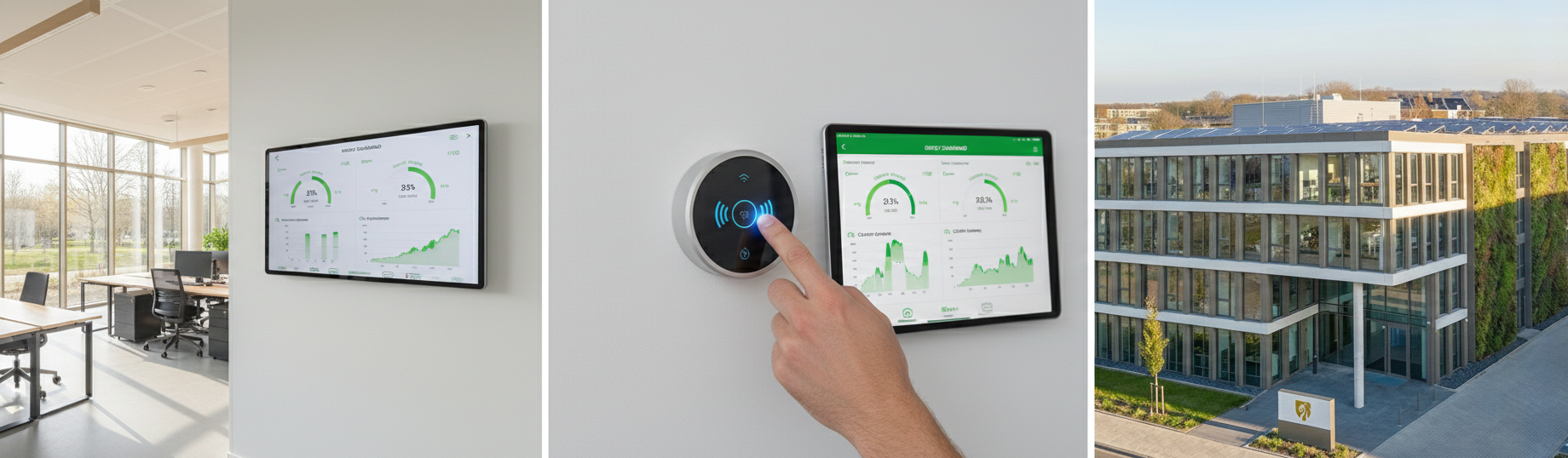
Smart building energy monitoring and sustainability.
Smart energy management systems are a key component of this approach. Automated lighting, occupancy sensors, and programmable thermostats allow facilities to use energy only when and where it is needed. Preventive maintenance—another IMG differentiator—ensures that HVAC systems, electrical infrastructure, and equipment operate at peak efficiency, reducing energy waste caused by malfunctioning or outdated systems.
Energy consumption is also closely linked to behavior. Encouraging energy-conscious habits among employees, tenants, or occupants can amplify the impact of technical improvements. Simple initiatives such as energy-awareness signage, sustainability training, or internal green policies help embed responsible energy use into organizational culture.
From a sustainability perspective, reducing energy demand not only lowers carbon emissions but also supports broader environmental goals such as reduced fossil fuel reliance and improved air quality. From a business perspective, it translates into lower operating costs, improved asset lifespan, and stronger environmental credentials.
By combining behavioral change with efficient systems and proactive maintenance, sustainable energy consumption becomes achievable and measurable. IMG’s approach demonstrates that energy efficiency is not a compromise—it is a strategic advantage that benefits both the planet and long-term operational performance.
Sustainable Food Choices: Reducing Environmental Impact Through What We Consume
Food production and consumption have a profound impact on the environment. From water usage and land degradation to greenhouse gas emissions generated by farming, processing, and transportation, what we eat matters more than many people realize. Sustainable living therefore includes making conscious food choices that reduce waste and environmental strain.
At an individual level, incorporating more plant-based meals into daily routines is one of the most effective ways to reduce environmental impact. Plant-based foods generally require fewer natural resources than animal-based products and produce lower emissions. Choosing locally sourced and seasonal produce further reduces the carbon footprint associated with long-distance transportation and refrigeration.
Food waste is another critical issue. Globally, a significant portion of food produced is never consumed, contributing to unnecessary emissions and landfill waste. Simple habits such as meal planning, proper food storage, and composting organic waste can drastically reduce this problem. These actions not only support sustainability but also promote healthier eating and cost savings.
In commercial settings—such as offices, schools, healthcare facilities, and managed properties—food sustainability takes on a broader operational dimension. Catering services, cafeterias, and vending operations all influence environmental outcomes. IMG supports sustainable practices within facilities by encouraging responsible sourcing, waste reduction strategies, and efficient service management.
For example, facilities can partner with local food suppliers, reduce single-use plastics in food service areas, and implement waste segregation systems for compostable materials. IMG helps ensure that these systems are practical, compliant, and aligned with operational needs, making sustainability easier to maintain over time.
Sustainable food practices also intersect with employee wellbeing and organizational culture. Offering healthier, responsibly sourced food options in the workplace can improve morale, productivity, and overall satisfaction. It signals a commitment to both environmental responsibility and human-centered management.
Ultimately, sustainable food choices reinforce the idea that sustainability is not limited to infrastructure or technology—it is embedded in everyday decisions. When individuals and organizations become more intentional about what they consume and discard, the cumulative impact is significant.
Through thoughtful planning and responsible management, IMG helps organizations translate sustainable food principles into actionable, lasting practices that support environmental goals while enhancing operational efficiency.
Reduce, Reuse, Recycle: Building Sustainable Waste Management Habits
Waste management is one of the most visible and impactful areas of sustainable living. The principle of reduce, reuse, and recycle serves as a foundation for minimizing environmental harm, conserving resources, and lowering the volume of waste sent to landfills. While the concept is simple, effective implementation requires structure, education, and consistency—especially in shared spaces and managed facilities.
Reducing waste begins with conscious consumption. Choosing durable products over disposable ones, avoiding excessive packaging, and buying only what is needed significantly lowers waste generation. For individuals, this might mean carrying reusable water bottles, shopping bags, or food containers. For organizations, it involves procurement decisions that prioritize sustainability, longevity, and minimal waste output.
Reusing materials extends the life cycle of products and reduces the demand for new resources. Items such as office furniture, storage containers, electronics, and packaging materials can often be repurposed or refurbished rather than discarded. Reuse also encourages a mindset shift—from convenience-driven habits to value-driven decision-making.
Recycling, while essential, is most effective when supported by proper systems and education. Incorrect recycling contaminates waste streams and reduces overall efficiency. Clear labeling, accessible recycling points, and staff or occupant awareness are critical to ensuring recyclable materials are disposed of correctly.
This is where Immaculate Management Group (IMG) brings measurable value. In facilities management, waste is not just an environmental issue—it is a compliance, operational, and cost concern. IMG supports organizations by implementing structured waste management systems that align with local regulations and sustainability objectives. These systems include waste audits, optimized bin placement, recycling coordination, and ongoing monitoring to ensure effectiveness.
IMG also emphasizes proactive education. When occupants understand why waste separation matters and how to do it correctly, participation increases significantly. Simple measures such as signage, training sessions, and sustainability guidelines help embed responsible waste behavior into everyday operations.
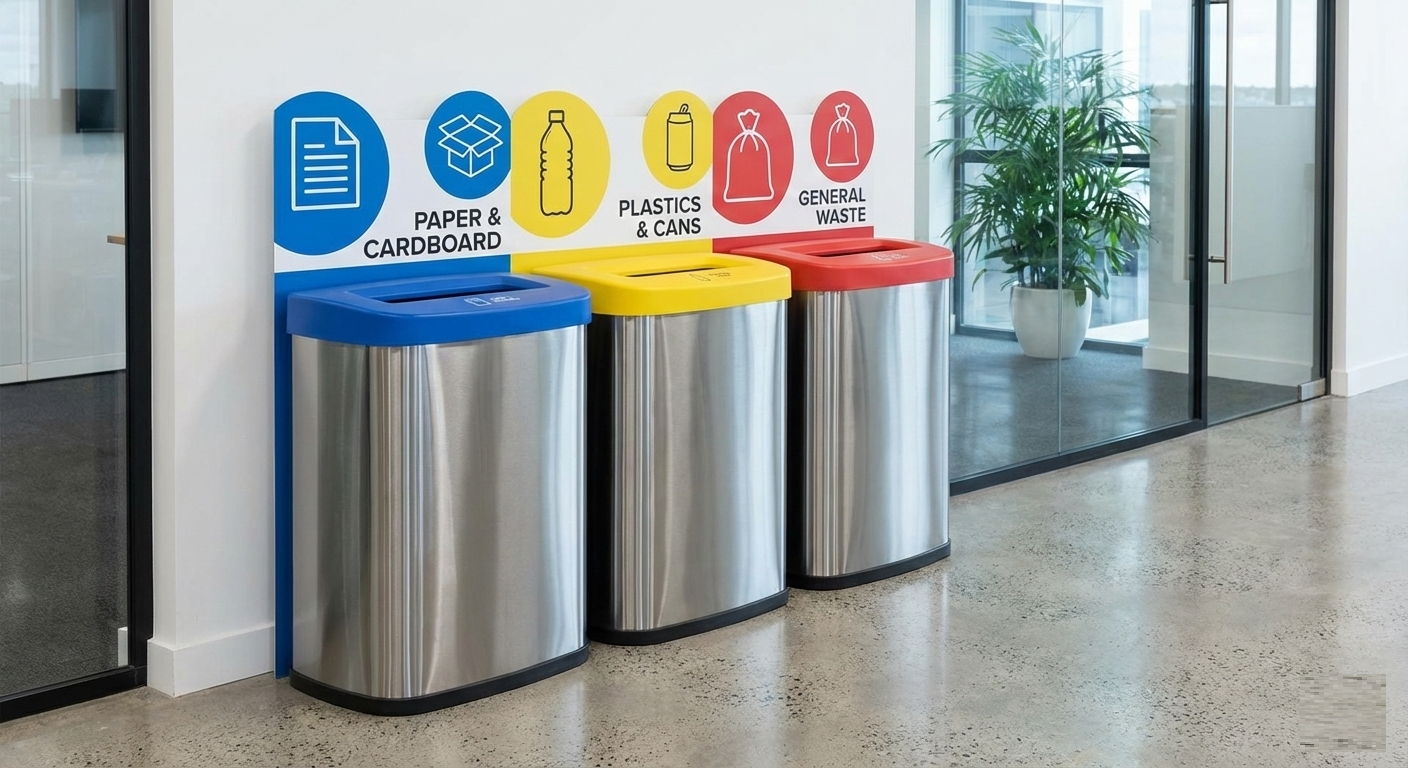
Office recycling bins for waste management.
Beyond recycling, IMG encourages waste minimization at the source. This includes working with suppliers to reduce packaging, recommending sustainable alternatives, and supporting digital solutions that reduce paper waste. Over time, these initiatives lower waste disposal costs, improve environmental performance, and enhance an organization’s sustainability profile.
From a broader perspective, effective waste management contributes to cleaner communities, reduced pollution, and more responsible use of natural resources. For businesses and facilities, it also demonstrates accountability, operational efficiency, and environmental leadership.
By integrating reduction, reuse, and recycling into daily operations, sustainable waste management becomes less of a challenge and more of a standard practice. IMG’s structured, detail-oriented approach ensures that sustainability goals are not only set—but consistently achieved.
Eco-Friendly Transportation: Driving Sustainability Through Smarter Mobility
Transportation is one of the largest contributors to greenhouse gas emissions worldwide, making it a critical focus area for sustainable living. From daily commutes to commercial fleet operations, how people and organizations move has a direct impact on air quality, fuel consumption, and overall environmental health. Sustainable transportation is not about eliminating mobility—it’s about making it smarter, cleaner, and more efficient.
On an individual level, small transportation choices can significantly reduce environmental impact. Walking, cycling, carpooling, and using public transportation help lower emissions while easing traffic congestion. Even minor adjustments, such as combining trips or choosing fuel-efficient vehicles, contribute to a reduction in carbon output over time.
For organizations and facilities, transportation sustainability becomes more complex—and more impactful. Vehicle fleets, logistics planning, staff transportation, and service delivery routes all influence environmental performance. This is where Immaculate Management Group (IMG) plays a pivotal role. IMG supports businesses and institutions by designing transportation solutions that prioritize efficiency, reliability, and environmental responsibility.
One of the most effective strategies in sustainable transportation is route optimization. Poorly planned routes increase fuel consumption, vehicle wear, and emissions. IMG leverages data-driven planning and operational insight to streamline routes, reduce idle time, and improve scheduling efficiency. These changes not only lower emissions but also enhance service delivery and cost control.
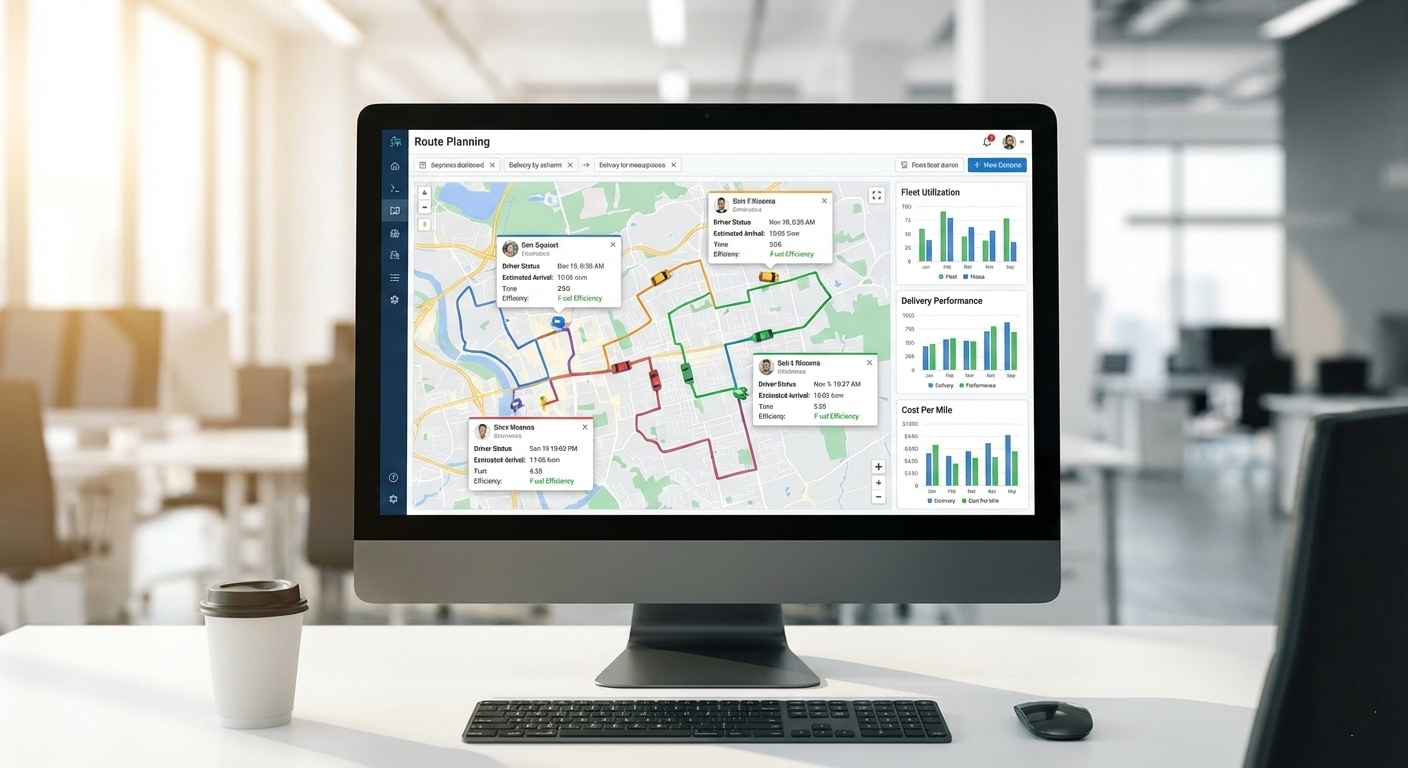
Smart building energy monitoring and sustainability.
Fleet modernization is another key area. Transitioning from traditional vehicles to hybrid or electric fleets significantly reduces fuel use and emissions. IMG works with clients to assess feasibility, manage transitions, and implement sustainable fleet strategies aligned with operational needs and budgets. Preventive vehicle maintenance—one of IMG’s core strengths—ensures that vehicles operate efficiently, extending lifespan while minimizing environmental impact.
Sustainable transportation also intersects with workforce wellbeing and community responsibility. Encouraging flexible work arrangements, shared transport options, and efficient scheduling reduces unnecessary travel while improving productivity and morale. IMG integrates these considerations into transportation planning, ensuring solutions are both people-focused and environmentally sound.
Beyond environmental benefits, sustainable transportation delivers measurable business value. Reduced fuel costs, lower maintenance expenses, improved regulatory compliance, and enhanced corporate reputation are tangible outcomes. Organizations that invest in eco-friendly transportation signal leadership, responsibility, and long-term thinking.
By addressing transportation holistically—from individual behavior to large-scale fleet operations—IMG demonstrates that sustainability and operational efficiency are not opposing goals. When transportation is planned with intention, data, and accountability, it becomes a powerful driver of environmental progress.
Conscious Consumerism: Making Responsible Choices That Influence Sustainability
Conscious consumerism is the practice of making purchasing decisions that consider environmental, social, and economic impact. In sustainable living, what we buy—and how often we buy it—can be just as important as how we use energy or manage waste. Every product has a lifecycle, and responsible consumption helps reduce resource depletion, pollution, and unnecessary waste.
At an individual level, conscious consumerism starts with awareness. Choosing quality over quantity, avoiding impulse purchases, and prioritizing durable goods reduces the demand for constant production and disposal. Supporting brands that use sustainable materials, ethical labor practices, and environmentally responsible packaging further amplifies positive impact.
Fast consumption models—particularly in areas such as fashion, electronics, and single-use goods—contribute significantly to environmental degradation. Breaking away from these habits by repairing, reusing, or buying second-hand items extends product lifespans and reduces landfill waste. These choices not only support sustainability but also promote financial mindfulness.
In organizational and facility settings, consumer choices take the form of procurement decisions. This is a critical area where sustainability and operational efficiency intersect. Immaculate Management Group (IMG) supports clients in implementing sustainable procurement strategies that balance cost control, performance, and environmental responsibility.
Sustainable procurement involves selecting products and suppliers based on factors such as material sustainability, energy efficiency, durability, and lifecycle cost. Rather than focusing solely on upfront price, IMG helps organizations evaluate long-term value—considering maintenance requirements, replacement frequency, and environmental impact. This approach often leads to reduced total cost of ownership and improved operational reliability.
Packaging is another important consideration. Excessive or non-recyclable packaging increases waste management costs and environmental harm. IMG encourages procurement policies that favor minimal, recyclable, or reusable packaging, particularly for cleaning supplies, consumables, and maintenance materials used across facilities.
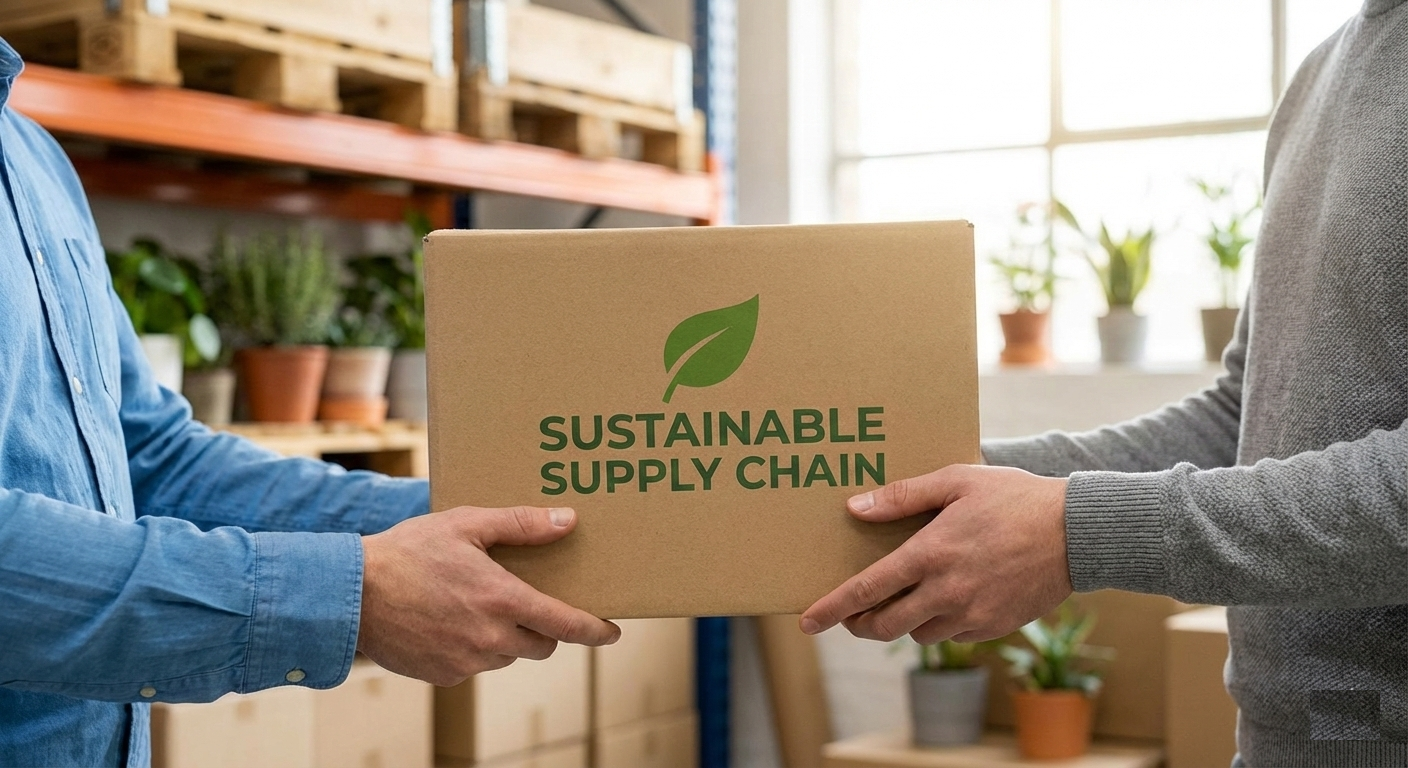
Sustainable supply chain shipping cardboard box.
Transparency and accountability also play a role in conscious consumerism. Working with responsible suppliers and maintaining clear procurement standards helps organizations meet sustainability goals while ensuring regulatory compliance. IMG’s attention to detail and proactive management ensure that procurement practices remain aligned with both environmental objectives and operational requirements.
Conscious consumerism extends beyond purchasing—it influences culture. When organizations prioritize responsible buying, it sends a clear message to employees, partners, and communities about values and long-term vision. This strengthens brand reputation, supports sustainability reporting, and reinforces environmental leadership.
Ultimately, conscious consumerism demonstrates that sustainability is not about restriction, but intention. By making informed, responsible choices—at home and in business—individuals and organizations can significantly reduce their environmental footprint while supporting a more sustainable economy.
Green Home and Facility Improvements: Designing Spaces for Long-Term Sustainability
Sustainable living is strongly influenced by the spaces we occupy. Homes, offices, schools, healthcare facilities, and commercial buildings consume significant amounts of energy and water, making them critical areas for environmental improvement. Green upgrades—whether small or large—can dramatically reduce resource consumption while improving comfort, efficiency, and asset value.
At the residential level, simple improvements such as better insulation, energy-efficient windows, and low-flow plumbing fixtures can lead to immediate reductions in energy and water usage. Installing smart thermostats and motion-sensor lighting helps optimize consumption by adapting to actual usage patterns. Indoor plants and green spaces further enhance air quality and overall wellbeing.
In commercial and institutional environments, the scale of opportunity is even greater. Aging infrastructure, inefficient systems, and poor maintenance often lead to unnecessary waste. This is where Immaculate Management Group (IMG) provides strategic value. IMG works closely with organizations to assess existing facilities and identify practical, cost-effective upgrades that align with sustainability goals.
Energy-efficient HVAC systems are a major focus. Heating and cooling typically account for a large portion of a building’s energy use. IMG emphasizes preventive maintenance, system optimization, and phased upgrades to ensure performance remains efficient and reliable. Well-maintained systems not only consume less energy but also extend equipment lifespan, reducing replacement waste.
Water conservation is another key area. Installing low-flow faucets, toilets, and irrigation systems significantly reduces water consumption without affecting usability. IMG supports water management strategies that include leak detection, routine inspections, and efficient scheduling, particularly in large or high-usage facilities.
Lighting upgrades also offer immediate sustainability benefits. Transitioning to LED lighting and automated controls reduces energy demand and maintenance costs. IMG helps facilities plan and implement lighting solutions that balance efficiency, safety, and occupant comfort.
Beyond technical upgrades, green improvements influence how spaces are experienced. Natural lighting, improved ventilation, and environmentally responsible materials contribute to healthier indoor environments. These factors positively impact employee productivity, tenant satisfaction, and overall wellbeing.
From a long-term perspective, green facilities are more resilient. They adapt better to regulatory changes, rising utility costs, and evolving environmental standards. Organizations that invest in sustainable infrastructure are better positioned to manage risk, control costs, and demonstrate environmental leadership.
IMG’s approach to green improvements is rooted in reliability, attention to detail, proactivity, and efficiency. Rather than implementing isolated fixes, IMG focuses on integrated solutions that support sustainability while maintaining operational continuity. The result is facilities that are not only environmentally responsible, but also functional, safe, and future-ready.
Community Engagement and Advocacy: Extending Sustainability Beyond the Individual
Sustainable living does not exist in isolation. While personal habits and organizational policies are important, lasting environmental impact is achieved when sustainability extends into communities. Community engagement and advocacy amplify individual efforts, creating collective momentum that drives meaningful change at local, regional, and even national levels.
At an individual level, community engagement can take many forms. Participating in neighborhood clean-up initiatives, tree-planting programs, recycling drives, or sustainability workshops helps foster environmental awareness and shared responsibility. These actions strengthen social connections while improving the physical environment.
For organizations and managed facilities, community engagement is both a responsibility and an opportunity. Immaculate Management Group (IMG) recognizes that facilities do not operate in isolation—they are part of wider communities that are directly affected by environmental practices. IMG supports initiatives that align operational sustainability with community wellbeing.
One effective approach is partnering with local environmental groups, suppliers, and service providers. Supporting local businesses reduces transportation emissions, strengthens local economies, and builds resilient supply chains. IMG encourages community-focused procurement and service partnerships that reflect sustainability values while maintaining operational reliability.
Education and advocacy also play a crucial role. Sharing best practices, hosting awareness campaigns, and promoting sustainable behaviors among occupants and staff help embed environmental responsibility into everyday culture. IMG’s proactive management style ensures that sustainability is communicated clearly and consistently across facilities.
From an advocacy standpoint, organizations can influence positive change by supporting policies and initiatives that promote renewable energy, waste reduction, efficient transportation, and environmental protection. Facilities that adopt transparent sustainability goals and reporting practices demonstrate accountability and leadership, setting an example for others to follow.
Community engagement enhances reputation and trust. Organizations that actively contribute to environmental and social wellbeing are more likely to earn the confidence of employees, tenants, clients, and stakeholders. This trust translates into stronger relationships, higher satisfaction, and long-term loyalty.
Importantly, community-driven sustainability initiatives are scalable. When individuals and organizations collaborate, small actions become powerful. A single recycling program, transportation initiative, or educational campaign can inspire wider adoption across communities.
IMG’s commitment to sustainability goes beyond service delivery—it reflects a broader vision of environmental stewardship and social responsibility. By supporting community engagement and advocacy, IMG helps ensure that sustainable living practices extend beyond buildings and operations, contributing to healthier, more resilient communities.
Small Changes, Lasting Impact — The IMG Approach to Sustainable Living
Sustainable living is not defined by one action or a single initiative. It is the result of consistent, intentional choices made over time—choices that affect how we consume energy, manage waste, move from place to place, design our spaces, and engage with our communities. As this article has shown, small changes, when applied strategically and consistently, can create meaningful and lasting impact.
From mindful energy consumption and sustainable food choices to waste reduction, conscious consumerism, and green infrastructure, each practice plays a vital role in reducing environmental strain. Transportation, in particular, stands out as both a challenge and an opportunity. When managed thoughtfully, it becomes a powerful lever for lowering emissions, improving efficiency, and supporting long-term sustainability goals.
This is where Immaculate Management Group (IMG) brings distinct value. Sustainability is not treated as a standalone concept, but as an integrated operational strategy. IMG’s approach—rooted in reliability, attention to detail, proactivity, and efficiency—ensures that sustainable practices are practical, measurable, and aligned with real-world operational needs.
For individuals, sustainable living begins with awareness and action. Simple decisions—such as reducing energy use, minimizing waste, or choosing eco-friendly transportation—contribute to broader environmental progress. For organizations, however, sustainability requires structure, planning, and expert execution. Facilities, fleets, procurement systems, and community engagement efforts must work together to deliver meaningful results.
IMG supports this journey by translating sustainability goals into actionable solutions. Whether through energy optimization, waste management systems, transportation planning, green facility upgrades, or community-focused initiatives, IMG helps organizations move from intention to impact. The result is not only a reduced environmental footprint, but also improved operational efficiency, regulatory readiness, and stakeholder confidence.
Sustainable living is ultimately about stewardship—of resources, spaces, and communities. It is about recognizing that today’s decisions shape tomorrow’s outcomes. Organizations that embed sustainability into their operations are better positioned to adapt, grow, and lead in an increasingly environmentally conscious world.
Ready to turn sustainable living into sustainable operations?
Partner with Immaculate Management Group (IMG) to implement energy-efficient systems, eco-friendly transportation solutions, and smarter facility management practices that deliver real, measurable impact.
👉 Talk to IMG about your sustainability goals
Because sustainability isn’t just a goal—it’s a responsibility. And with the right partner, it’s achievable.
Frequently Asked Questions (FAQs)
1. What are sustainable living practices?
Sustainable living practices are everyday habits and operational strategies that reduce environmental impact while conserving resources. These include energy efficiency, waste reduction, eco-friendly transportation, responsible consumption, and environmentally conscious facility management.
2. Why is sustainable living important for businesses and facilities?
Sustainable living helps businesses lower operating costs, reduce environmental risk, improve regulatory compliance, and enhance reputation. For facilities, sustainability leads to more efficient buildings, healthier indoor environments, and long-term operational resilience.
3. How can facilities reduce energy consumption effectively?
Facilities can reduce energy consumption by upgrading to energy-efficient lighting and HVAC systems, using smart controls, performing preventive maintenance, and encouraging energy-conscious behaviors among occupants. Structured energy management delivers both environmental and financial benefits.
4. What role does waste management play in sustainability?
Waste management reduces landfill use, pollution, and resource depletion. Effective systems focus on reducing waste at the source, reusing materials where possible, and recycling correctly through clear labeling, education, and compliance-driven processes.
5. Why is transportation a key focus in sustainable living?
Transportation is a major contributor to carbon emissions. Sustainable transportation strategies such as route optimization, fleet efficiency, shared mobility, and eco-friendly vehicles significantly reduce fuel use, emissions, and operating costs.
6. How does Immaculate Management Group (IMG) support sustainable practices?
Immaculate Management Group supports sustainability through energy optimization, waste management systems, eco-friendly transportation planning, sustainable procurement, green facility improvements, and proactive operational management tailored to client needs.
7. Can small sustainability changes really create a big impact?
Yes. When small sustainable actions are applied consistently—across individuals, facilities, and operations—they combine to create measurable environmental, operational, and cost-saving benefits over time.